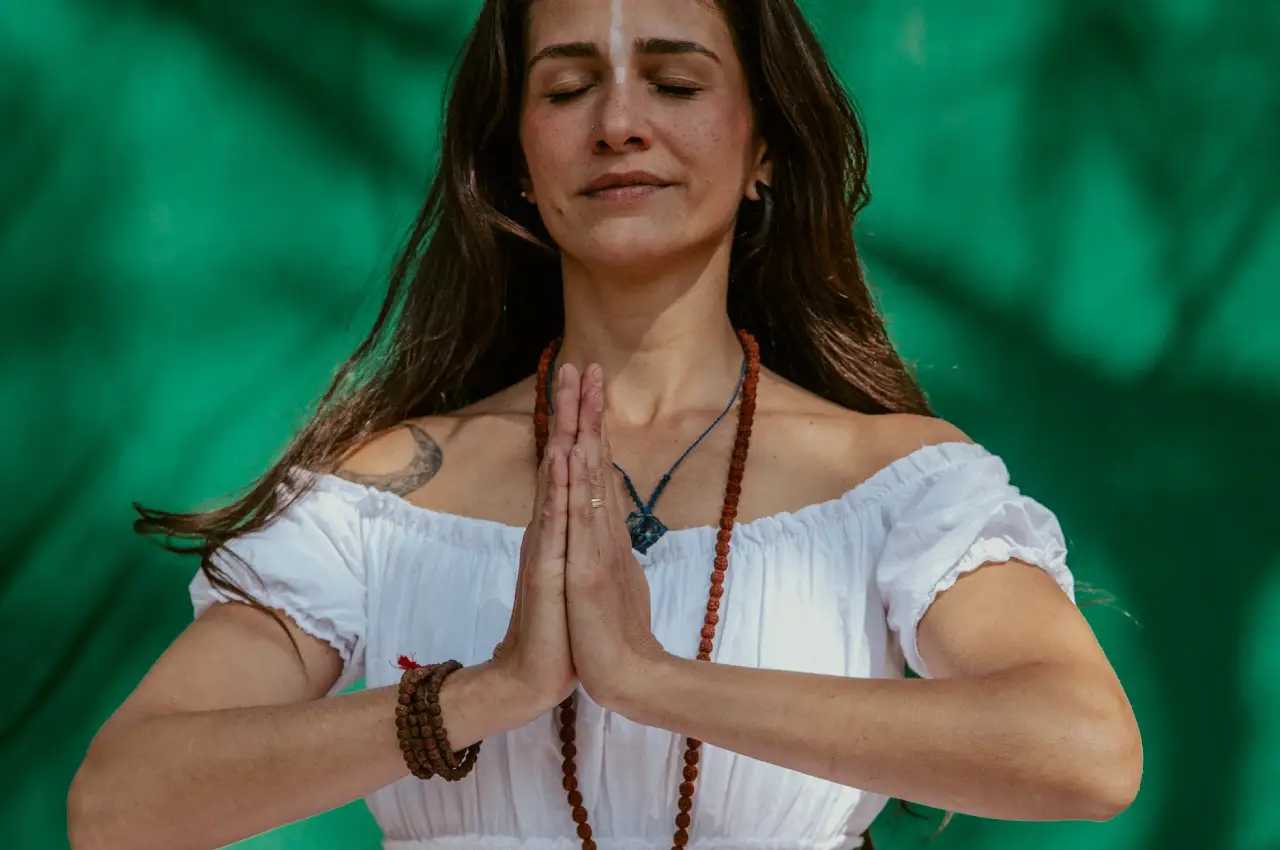

Music in spiritual practice taps into something deep and timeless. A single melody can lift your spirit or move you to tears. But beyond emotion, music carries spiritual power. When used with intention, it becomes a sacred tool. It can support healing, connection, and self-discovery on your spiritual path.
Let’s explore how to bring music into your spiritual practice—starting right where you are.
Music Has Always Been Spiritual
Across cultures, music in spiritual practice has always held sacred meaning. It’s more than entertainment—it’s a bridge to the divine.
Think of monks chanting in quiet temples. Tribes drumming under the stars. Gospel choirs singing with soul and surrender.
These aren’t performances. They’re prayers in sound.
Music helps people feel close to their higher self, God, or the Universe. It offers a direct path to spiritual connection.
Why Music Impacts the Spirit So Deeply
Music speaks the language of energy and feeling. It bypasses the mind and reaches the soul.
Here’s how it helps in spiritual practice:
Rhythm regulates your breath and heartbeat.
Melody opens your heart and lets emotion flow.
Vibration heals on a cellular level.
When combined with intention, these elements create stillness, clarity, or even transcendence.
Music in spiritual practice isn’t about perfection—it’s about presence.
Start with What You Already Love
You don’t need to start with sacred chants or traditional music. Begin with songs that already move you.
Ask yourself:
What music makes me feel grounded?
Which sounds help me release tension?
What songs make me feel whole?
Let those be your starting point.
Sarah, a 34-year-old yoga teacher, starts each morning with a quiet piano track. It signals her to slow down and tune inward. That’s music in spiritual practice—personal, intentional, and deeply felt.
Create a Music Ritual
Simple music rituals can shape your day. They don’t need to be long or elaborate.
Try these:
Morning focus: Sip tea and breathe to soft instrumental music.
Mindful walking: Use gentle tunes while walking in nature.
Evening peace: Wind down with chants, flutes, or nature sounds.
Create playlists with themes like “healing,” “gratitude,” or “stillness.” Over time, your body will respond instantly when it hears those sounds.
Chanting and Mantras: Ancient Tools, Modern Power
Chanting is one of the oldest forms of music in spiritual practice. Repeating a mantra can silence mental chatter and awaken your heart.
You can:
Chant “Om” or hum softly.
Repeat a calming phrase like “I am peace.”
Use traditional Sanskrit mantras if they resonate.
Raj, a client of mine, struggled with anxiety. He began each day with five minutes of chanting. “At first it felt strange,” he said. “But soon, I noticed I felt grounded and calm.”
That’s the power of sound when used intentionally.
Let Music Support Emotional Release
Spiritual growth often means releasing stored emotions. Music helps those feelings rise and move through you.
Make a playlist for emotional healing. Include songs that:
Help you cry safely.
Make you feel understood.
Release sadness or anger.
Bring back hope.
This, too, is music in spiritual practice. It allows you to feel, heal, and return to your center without judgment.
Sound Baths and Healing Frequencies
Want to explore even deeper? Try sound healing.
Sound baths use crystal bowls, gongs, or tuning forks to create healing vibrations. These sounds can:
Soothe your nervous system
Clear mental fog
Realign your emotional state
You can even try YouTube sound bath videos. Use headphones, close your eyes, and simply listen. Many people report feeling lighter, clearer, and deeply relaxed afterward.
Music Grounds You in the Present Moment
Music is a powerful anchor. When your mind wanders, music brings you back.
Use soft music during meditation. Match your breath to the rhythm. Focus on each note.
You don’t need to sit perfectly still. Just listen with full awareness. That’s a form of meditation too—and a simple way to weave music in spiritual practice into everyday life.
Music Builds Spiritual Connection in Groups
Music doesn’t just deepen personal practice—it creates powerful group connection too.
Try singing with others, attending sound healing circles, or sharing sacred music with friends.
One group I know gathers monthly to chant and drum together. It’s not about performance. It’s about presence, energy, and community.
You can join a kirtan group, spiritual choir, or start your own listening circle.
Let Music Be Your Spiritual Mirror
Your spiritual path is your own. Choose music that reflects your soul.
Some people find spirit in classical piano. Others in jazz, folk, ambient, or even electronic beats.
Follow your intuition. If a song moves you deeply, it’s sacred—because it speaks to your soul.
Name your playlists intentionally. Words like “inner peace,” “release,” or “soul energy” add meaning. A simple act like naming your playlist can shift your whole mindset.
Let Music in Spiritual Practice Guide You
Music in spiritual practice is not a luxury. It’s a sacred, accessible tool.
You don’t need a perfect voice, a teacher, or hours of silence. All you need is intention—and sound.
Whether you chant, hum, sing, or simply listen, you’re inviting spirit in.
Let music be your guide.
Let it open what words cannot.
What song brings you closer to your spirit? Share your favorite tracks, chants, or rituals in the comments. Your experience could inspire someone else on their path.