
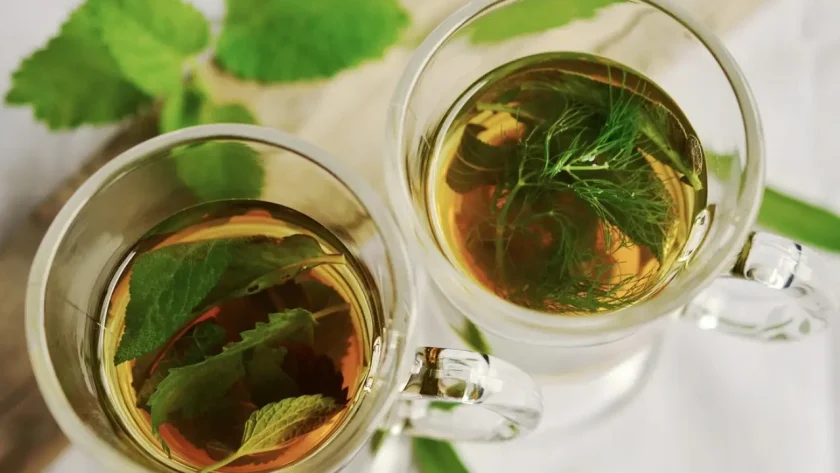
Feeling emotionally balanced is not always easy, especially when life feels overwhelming. Many people turn to healing herbs as a natural way to bring calm and stability into their daily routine. These time-tested plants can help reduce stress, improve mood, and support a more grounded mindset.
Herbal remedies have been used for centuries by cultures worldwide. Today, science is catching up, confirming what ancient healers already knew. Some herbs can genuinely nurture your mental and emotional well-being when used correctly and consistently.
Why Choose Healing Herbs for Emotional Support?
Healing herbs work gently with your body instead of forcing quick changes. They nourish your nervous system, balance hormones, and improve sleep quality. Over time, this leads to more emotional resilience.
For example, someone experiencing occasional anxiety might find relief from a calming tea made with chamomile or lemon balm. These herbs do not numb emotions but help you respond to stress more steadily.
The beauty of healing herbs is that they can be added to your lifestyle without drastic changes. You can enjoy them as teas, tinctures, capsules, or even fresh in cooking.
1. Chamomile – The Gentle Calmer
Chamomile is often the first herb people try for relaxation. Its mild floral flavor works beautifully in tea, and it has long been used to ease stress and encourage better sleep.
Picture a busy professional, like Anna, who struggled to unwind after long workdays. She replaced her late-night coffee with chamomile tea. Within weeks, she noticed fewer restless nights and calmer mornings.
Chamomile works best when taken consistently. Try drinking a cup in the evening while practicing slow, mindful breathing.
2. Ashwagandha – The Stress Shield
Ashwagandha, an adaptogen, helps your body adapt to stress more effectively. It is well known for supporting emotional stability and reducing fatigue.
If you often feel on edge or mentally drained, ashwagandha could help restore your balance. A friend of mine, Mark, began using an ashwagandha supplement during a challenging work project. Within a month, he noticed he could think more clearly and react less sharply under pressure.
Ashwagandha is usually available in capsule or powder form. You can add the powder to smoothies or warm milk.
3. Lemon Balm – The Mood Lifter
Lemon balm has a refreshing citrus scent that instantly uplifts. This herb can help reduce nervous tension, improve mood, and even support better digestion.
It works well in both tea and tincture form. People who feel emotionally flat or mildly anxious often find it brightens their mood without making them drowsy.
A cup of lemon balm tea in the afternoon can replace your second coffee, helping you stay focused without caffeine jitters.
4. Passionflower – The Peace Promoter
Passionflower is known for its ability to calm racing thoughts. If your mind tends to overthink, this herb can be a gentle solution.
I once worked with a client who had trouble falling asleep due to constant mental chatter. A nightly tincture of passionflower helped quiet her thoughts so she could drift off naturally.
Passionflower pairs well with chamomile for a deeply relaxing tea blend.
5. Lavender – The Scent of Serenity
Lavender is more than just a pretty flower. Its aroma alone can ease stress and create a sense of peace.
Lavender oil can be diffused in your home, added to bathwater, or even taken as a tea. Many people keep a small pouch of dried lavender in their desk or bedroom to inhale during tense moments.
The smell triggers a relaxation response in your brain, helping you feel grounded.
Tips for Safely Using Healing Herbs
Before adding any new herb to your routine, consider these guidelines:
Check interactions: If you take medication, consult your healthcare provider first.
Start small: Begin with a low dose to see how your body responds.
Be consistent: Healing herbs often work best when used regularly.
Use quality sources: Choose organic, well-sourced products to avoid contaminants.
Blending Herbs for Better Results
Combining certain herbs can create a stronger, more balanced effect. For example, a mix of chamomile, lemon balm, and lavender makes a calming tea perfect for winding down after a busy day.
Experiment to see which combinations make you feel best. Some people find that adding a pinch of peppermint to a relaxing blend keeps the flavor fresh and uplifting.
Creating Your Herbal Ritual
Healing herbs are more effective when used in a calming, intentional setting. Turning your herbal use into a small ritual can deepen the emotional benefits.
For example, brew tea slowly, breathe in the aroma, and sip without distractions. This mindful approach not only delivers the herb’s benefits but also signals your mind to slow down.
When to Seek Professional Guidance
Healing herbs can be powerful, but they are not a replacement for professional help when needed. If you experience ongoing sadness, anxiety, or mood swings, speak to a qualified healthcare provider. Herbs can complement therapy, counseling, or medical treatment but should not be your only support.
Final Thoughts on Healing Herbs for Emotional Well-Being
Healing herbs offer a gentle, natural way to care for your emotions. They help you feel more balanced, grounded, and resilient without harsh side effects.
Whether you start with a calming cup of chamomile or explore adaptogens like ashwagandha, the key is consistency. Over time, you may notice subtle yet powerful shifts in your mood and stress levels.
Your journey toward emotional well-being does not have to be complicated. Sometimes, nature already has the answers we need.
Now it’s your turn. Which healing herbs have helped you the most? Share your experience in the comments and inspire others on their wellness journey.