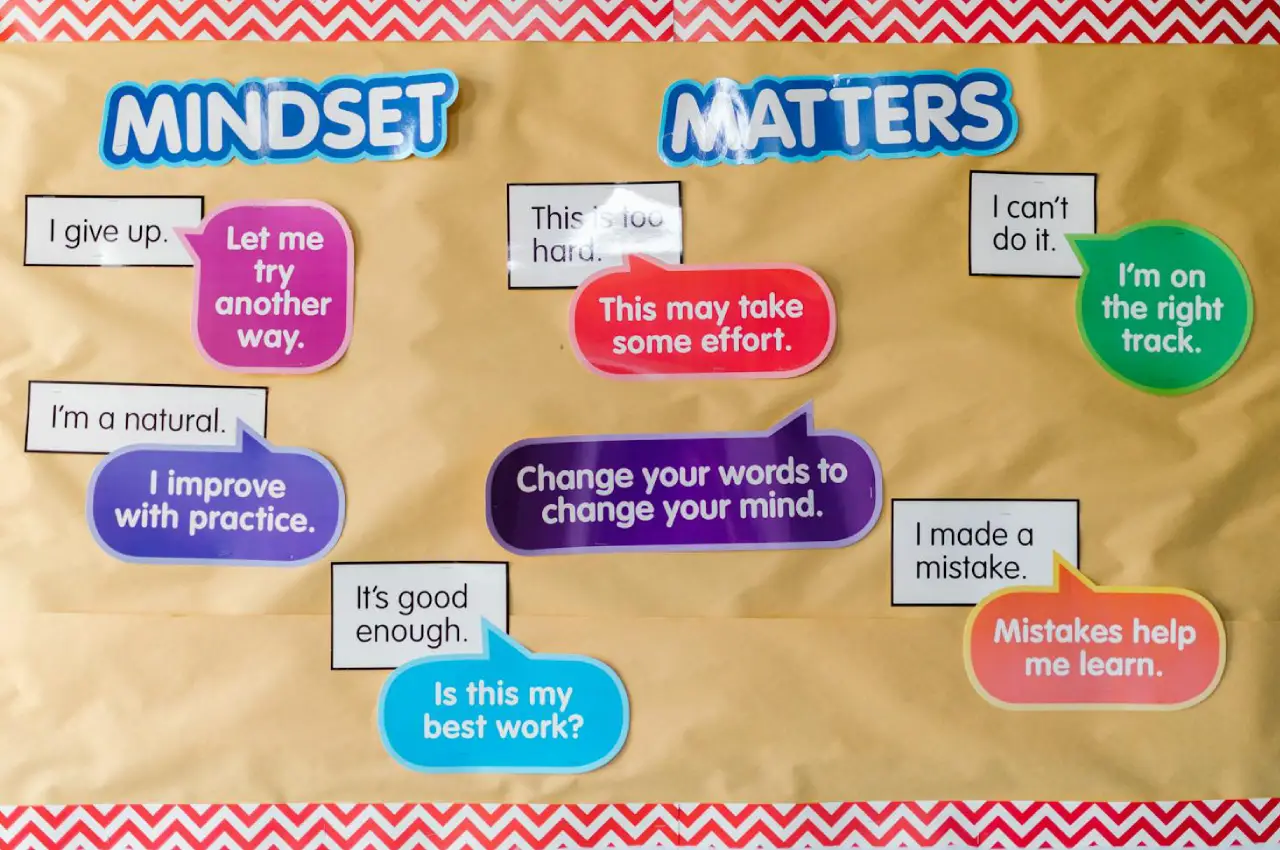

Building positive habits takes effort, but the real key lies in staying consistent. Many people start strong but struggle to maintain their progress. Consistency, though often overlooked, plays a crucial role in achieving meaningful personal growth.
Why Consistency Matters in Personal Growth
Success rarely comes from sudden bursts of motivation. Instead, steady progress over time brings lasting change. Consistency builds momentum, turning small steps into powerful results. Imagine learning a new language. Studying for 20 minutes daily achieves far more than cramming for hours once a month.
When you commit to consistent actions, they become part of your routine. This reduces mental strain and helps you stay on track.
Building Positive Habits Through Consistency
Creating lasting habits requires patience. Here’s how consistency can make your efforts stick:
Start Small
Begin with manageable steps. Instead of committing to a one-hour workout, start with 10 minutes daily. Small wins build confidence and encourage you to keep going.
Set Clear Goals
Having clear, realistic goals keeps you motivated. For example, if you’re improving your writing skills, commit to writing 200 words every day. Tracking progress helps reinforce consistency.
Create a Routine
A fixed schedule makes consistency easier. Set aside the same time daily for your chosen habit. Whether it’s reading before bed or meditating in the morning, routines reduce decision fatigue.
Track Your Progress
Tracking keeps you accountable. Use a journal, app, or calendar to monitor your efforts. Seeing your streak grow can motivate you to stay on track.
Embrace Imperfection
No one is perfect. Missed days happen. The key is bouncing back quickly rather than giving up entirely.
Real-Life Examples of Consistency Driving Growth
Stories of success often highlight the power of consistent effort.
James Clear, the author of Atomic Habits, emphasizes the power of small, consistent improvements. He shares how improving by just 1% each day leads to massive progress over time.
Serena Williams became a tennis legend through consistent practice, not overnight talent. By following a structured routine, she sharpened her skills steadily.
J.K. Rowling wrote Harry Potter while balancing personal struggles. Writing regularly, even in challenging circumstances, helped her achieve success.
These examples prove that steady, focused effort makes a lasting impact.
Overcoming Common Barriers to Consistency
Staying consistent isn’t always easy. Here’s how to tackle common challenges:
Lack of Motivation
Motivation fluctuates. Rely on discipline instead. Creating a routine reduces your need for constant motivation.
Distractions
Limit interruptions by creating a focused environment. For example, if reading daily is your goal, set aside a quiet space.
Perfectionism
Avoid overthinking. Focus on showing up rather than striving for flawless results.
Time Management
If time feels tight, break your goal into smaller tasks. Ten minutes daily often proves more effective than inconsistent long sessions.
The Science Behind Consistency
Psychologists often stress the power of repetition. The habit loop, a concept by Charles Duhigg, highlights how cues, routines, and rewards shape behavior. For example, brushing your teeth before bed becomes automatic through repeated actions.
The compound effect, explained by Darren Hardy, shows how small efforts build over time. Saving a small amount monthly may seem minor, but consistency leads to significant financial growth.
How to Stay Consistent Even When Life Gets Busy
Life’s unpredictability can challenge consistency. Here’s how to stay committed:
Prepare for Disruptions
Plan for setbacks. If your workout schedule gets disrupted, have a backup plan like a 10-minute home routine.
Build Accountability
Find a friend, mentor, or group that shares your goal. Accountability strengthens your commitment.
Celebrate Progress
Rewarding yourself keeps motivation high. Celebrate milestones, no matter how small.
Create Visual Reminders
Sticky notes, phone reminders, or a progress chart can help keep your goal visible.
The Long-Term Impact of Consistency
Consistent actions build self-trust. Each time you stick to a goal, you strengthen your belief in yourself. This builds resilience, discipline, and confidence.
For example, committing to daily meditation might feel challenging at first. Over time, it becomes second nature, improving focus and emotional well-being. The same applies to learning a skill, developing fitness habits, or building relationships.
Taking the First Step
Starting small is key. Identify one area where consistency can improve your life. Commit to taking action daily, even for just five minutes.
Growth doesn’t happen overnight, but steady efforts create powerful change. Embrace consistency, and you’ll see lasting improvements in your personal growth journey.
What small habit have you successfully built through consistency? Share your experience in the comments below. Your story might inspire someone else!