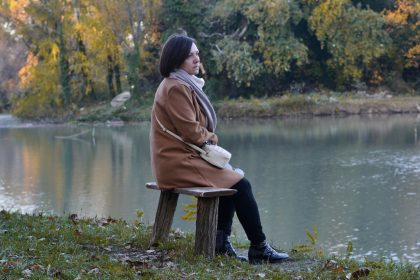

Choosing intentional aloneness is not about loneliness. It is about reclaiming space to design life on your terms. Many people fear being alone because it feels like emptiness. But when chosen mindfully, aloneness becomes a source of strength, clarity, and freedom.
What Is Intentional Aloneness?
Intentional aloneness is a deliberate choice to spend time with yourself. It is not isolation caused by rejection or avoidance. Instead, it is a conscious decision to pause from constant noise and outside influence.
Think of it as closing every open browser tab in your mind. Suddenly, you can hear your own thoughts clearly. You see where your energy flows and whether it aligns with your real priorities.
Why It Matters in Today’s Busy Lives
Modern life often feels like a crowded room with no exit. Notifications, responsibilities, and expectations keep pulling you in different directions. Without carving space for yourself, you end up living on autopilot.
Choosing intentional aloneness allows you to step back. It gives you perspective on who you are outside of roles like parent, employee, partner, or friend. This clarity prevents burnout and brings back a sense of control.
Shifting from Loneliness to Power
Loneliness happens when solitude feels forced. But intentional aloneness transforms solitude into power. The difference lies in choice and perspective.
For example, Julia, a graphic designer, used to feel drained after social events. She often said yes out of obligation. When she began blocking two evenings a week for herself, she noticed her creativity returned. She read more, painted again, and felt stronger in her relationships. Her solitude was no longer emptiness. It became nourishment.
The Benefits of Intentional Aloneness
1. Deep Self-Awareness
Time alone helps you understand your emotions without outside interference. Journaling during aloneness can reveal patterns that you may ignore otherwise.
2. Stronger Boundaries
When you spend time with yourself, you notice what drains or energizes you. This makes saying no easier.
3. Emotional Healing
Healing requires space. Many carry old wounds that get silenced by busyness. Intentional aloneness gives room for reflection and release.
4. Boosted Creativity
Solitude sparks ideas. Writers, artists, and leaders often credit their best insights to time spent alone.
5. Clearer Decision Making
Without outside noise, decisions align better with values. You stop chasing validation and start trusting your own judgment.
Designing Life on Your Terms
Aloneness is not about withdrawal from life. It is about designing it consciously. Here are practical ways to shape it.
Schedule Alone Time
Treat aloneness like an important appointment. Block a few hours each week where you disconnect from external demands.
Define Purpose for Your Aloneness
Ask yourself: what do I need right now? Maybe it is rest, creative expression, or clarity on a decision. Intentionality keeps it purposeful.
Create a Ritual Around It
Build small rituals that signal your mind to shift inward. Light a candle, brew tea, or take a mindful walk.
Experiment with Silence
Silence can feel uncomfortable at first. But sitting in quiet with no distractions deepens self-connection. Try ten minutes daily and expand gradually.
Review and Adjust
Check how intentional aloneness affects your energy, mood, and focus. Adjust the length or frequency based on what works best.
Overcoming Common Fears
Fear of Missing Out
Many avoid solitude because they fear missing experiences. Remember, saying yes to yourself means saying no to unnecessary noise.
Fear of Facing Inner Thoughts
Some fear what may surface in silence. But facing these thoughts helps release their grip. Supportive tools like journaling or therapy make it easier.
Fear of Judgment
Others may label your choice as selfish. But intentional aloneness is self-care, not neglect. Explaining it calmly often earns respect.
A Real-Life Story
Consider Mark, a corporate manager who struggled with stress. He felt constantly surrounded by meetings, emails, and deadlines. His doctor warned him about rising blood pressure.
Instead of waiting for a collapse, Mark chose intentional aloneness. Every morning, he took a 30-minute walk without his phone. At first, it felt strange. Soon, he noticed his stress levels drop. He began making clearer decisions at work and felt more present at home. His colleagues respected his boundaries once they saw the positive results.
Practical Exercises to Try
The 24-Hour Reset: Spend one full day alone each month. Use it for reflection, journaling, or simply resting. Avoid social media.
Creative Hour: Dedicate one hour weekly to a hobby or new skill. This builds confidence and joy.
Silent Start: Begin your day with 15 minutes of silence before checking your phone. Notice how your mood shifts.
Personal Reflection Questions: Ask: What do I want more of in life? What drains my energy? What values guide me?
Intentional Aloneness in Relationships
Choosing aloneness does not weaken relationships. It strengthens them. When you recharge alone, you bring more clarity and patience into interactions.
Partners who respect each other’s space often report higher satisfaction. Friendships also grow healthier when they are not based on constant availability.
The Long-Term Impact
Over time, intentional aloneness builds resilience. You stop depending on constant validation. Instead, you develop inner stability.
It also gives you the courage to design life on your terms. Choices reflect your authentic values, not borrowed expectations. This is how you create a life that feels true.
Final Thoughts
Intentional aloneness is not a retreat from life. It is a return to yourself. It helps you reclaim clarity, energy, and freedom. The shift begins with small, deliberate choices.
So, how do you want to design your life? Share your thoughts and experiences in the comments. Your journey with intentional aloneness might inspire someone else to begin theirs.